- Philadelphia and Southeastern PA: Heatwaves, Severe Storms, Flash Floods, Flash Droughts, Extreme Winds, Microbursts, Tornadoes
- Barrier-Islands From the Jersey Shore to the Outer Banks
- The I-95 Corridor: Severe Storms, an Expanding “Tornado Alley,” Straight-Line Winds, and the Urban Heat Island
- Pennsylvania: When the Levee Breaks — Crying Won’t Help You, Praying Won’t Do You No Good
- Chester County, It’s Shocking: Lightning Strikes Are Surging
- Chester County: Rapid-Fire, Near-Continuous Cloud-to-Cloud Lightning
- West Chester, Pennsylvania: Urban Flooding — Unfortunately, Worms Can’t Swim
- West Chester, Pennsylvania: Hydroclimatic Whiplash and Flash Droughts — Unfortunately, Millipedes Can’t Swim
- The Backyard Experiments: Hydroclimatic Whiplash, Soil Degradation, Insect Decline, and Ecosystem Collapse
- Coatesville, PA: Hydroclimatic Whiplash — Dying of Thirst in a Flood
- Backyard Megapitfall Traps: A Changing Ecosystem for Frogs, Spiders, and Worms
- The Jersey Shore and Florida Coast: Sea Level Rise, Inverse Barometer Effect, Wind Stress, Flooding, Saltwater Intrusion
Category: Delaware
bookmark_border$13 Billion Nor’easter Hits Jersey Shore
Where Did the Hurricane Energy Go?
The 2026 Atlantic hurricane season is incredibly rare and historic, but for a surprising reason: it is tracking at a record-breaking low for activity. Despite the destructive flooding along the East Coast, not a single hurricane has formed in the Atlantic basin. While the coast is currently being battered by a powerful nor’easter, the system is an extra-tropical winter-style storm, not a tropical hurricane.
September 23, 2026
The Jersey Shore experiment
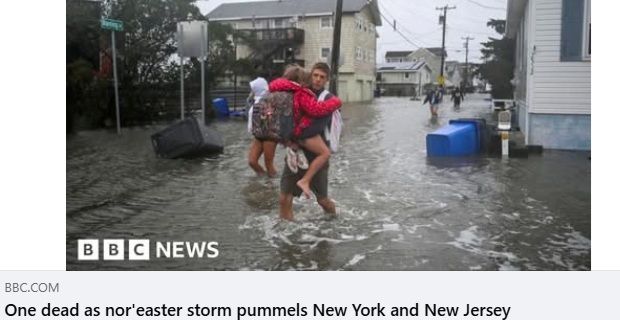
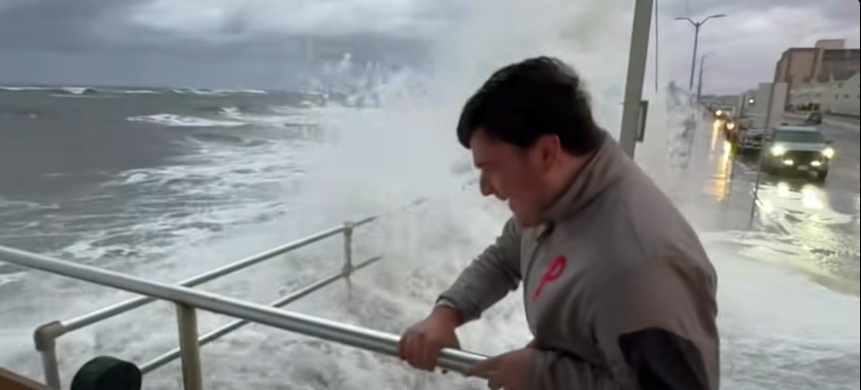
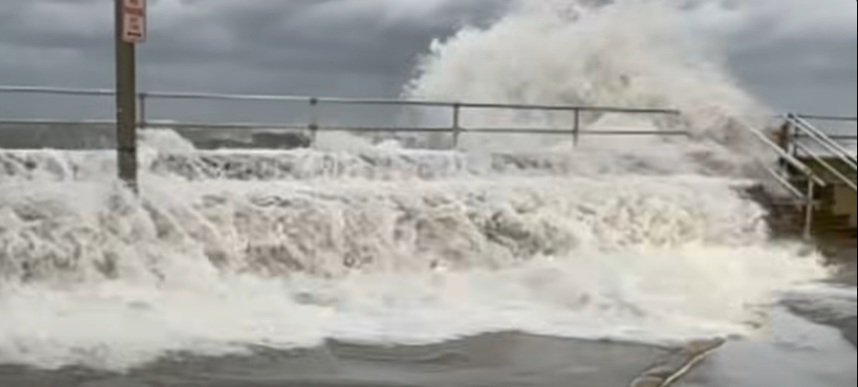
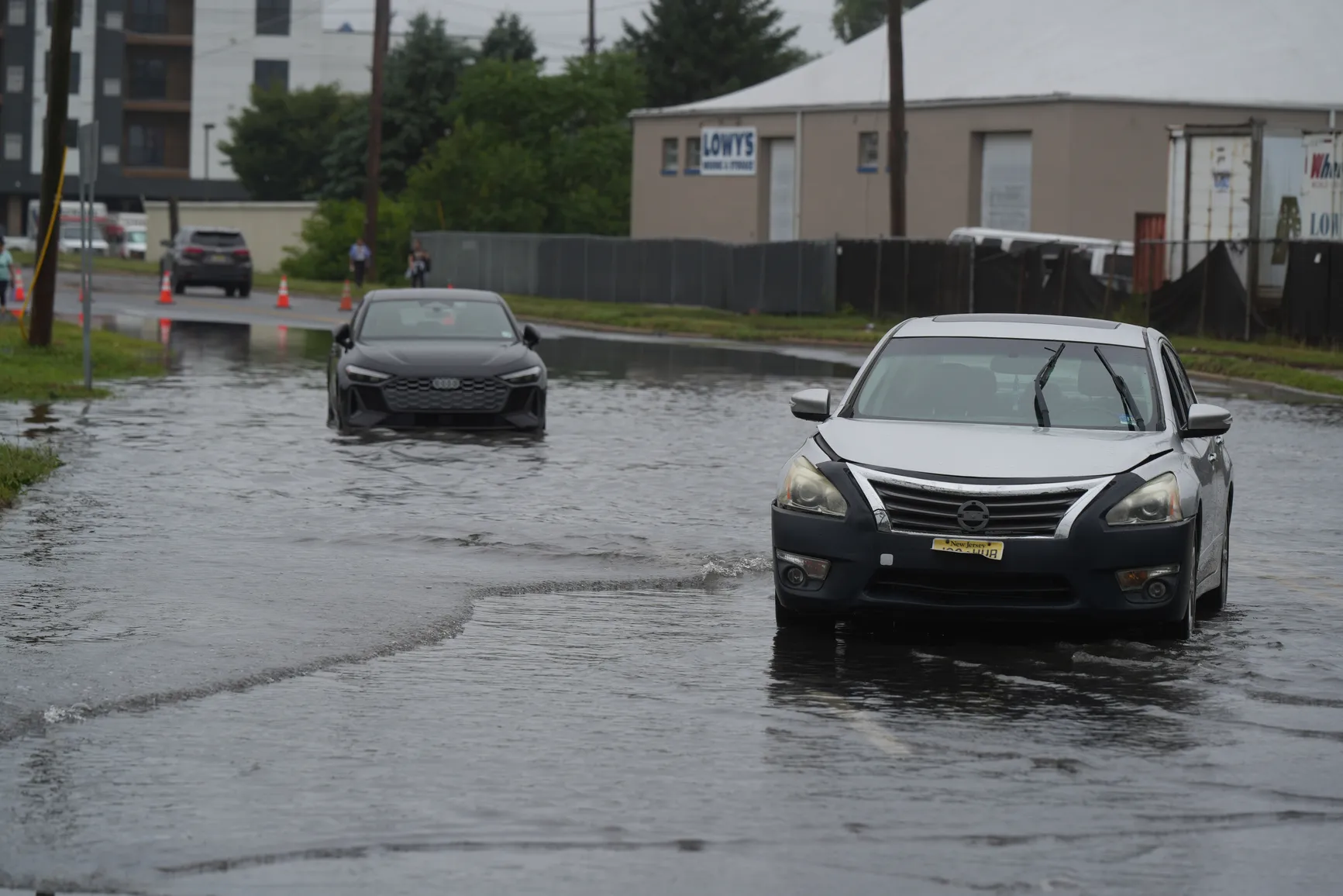
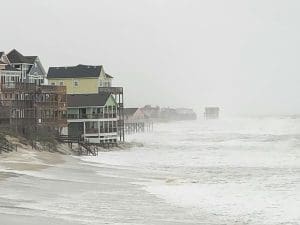
A powerful and exceptionally persistent September nor’easter is affecting the Jersey Shore, bringing coastal flooding, dangerous surf, strong northeast winds, and significant beach erosion. The National Weather Service has extended the Coastal Flood Warning for Ocean, Atlantic, Cape May, and southeastern Burlington counties through Sunday, September 27. The warning calls for one to two feet of inundation above ground level in vulnerable low-lying areas near shorelines and tidal waterways, with widespread roadway flooding possible.
This is shaping up to be one of the most persistent nor’easters in modern history, with significant coastal impacts continuing for days rather than hours. The prolonged onshore winds are repeatedly pushing water toward the coast, while high surf and wave action continue to pound beaches and barrier islands.
The combination of persistent winds, elevated water levels, astronomical tides, and repeated wave attack makes this much more than a single coastal storm event. It is an extended assault on an already vulnerable coastline.
Along portions of the coast, the National Weather Service is also warning of high surf, with breaking waves reaching approximately nine feet in the surf zone.
The timing is important. The storm is occurring during the full-moon period, when astronomical tides can increase the baseline water level and make coastal flooding more consequential.
So here is the experiment: watch and determine the cost.
September 29, 2026
The late-September 2026 nor’easter turned atmospheric and oceanic energy into a massive economic event.
$10–13 BILLION in estimated damage and economic losses.
Flooding.
Beach and dune erosion.
Downed trees.
Power outages.
Infrastructure damage.
Transportation disruption.
The storm demonstrates a simple connection:
STORM ENERGY → FLOODING + EROSION + WIND → DAMAGE → ECONOMIC LOSS
Climate energy does not remain an abstract number measured in joules.
It reaches us through the places where we live, the infrastructure we depend upon, and the economic systems that connect us.
The Jersey Shore: Erosion, Flooding and Infrastructure Damage
The most concentrated physical damage occurred along exposed coastal communities.
Atlantic City
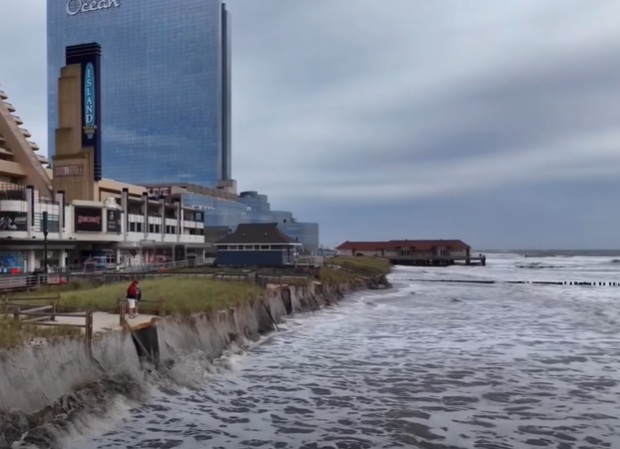
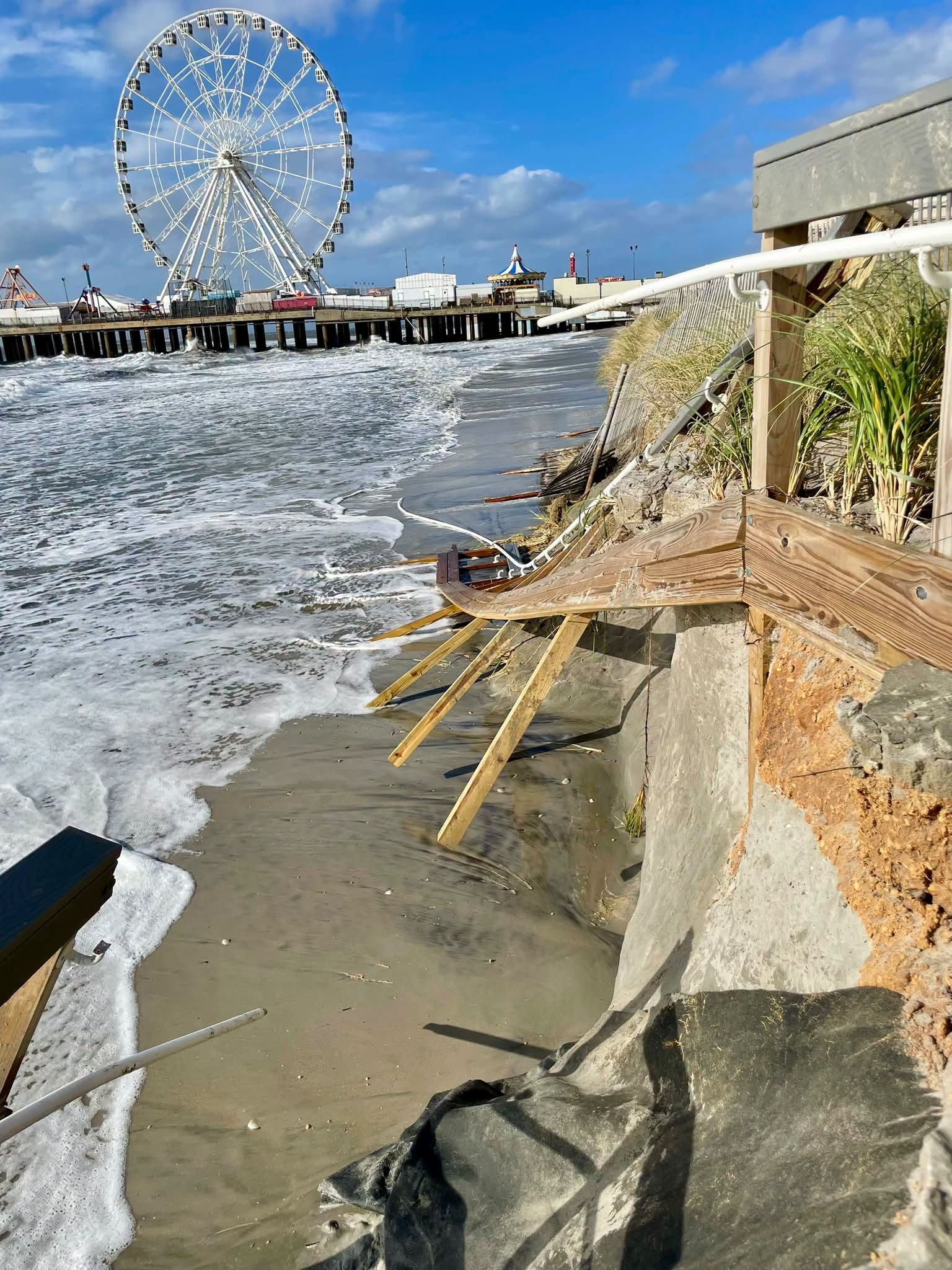
Atlantic City experienced some of its most severe beach erosion since Superstorm Sandy in 2012. A particularly hard-hit area extended for approximately a half-mile north of Steel Pier.
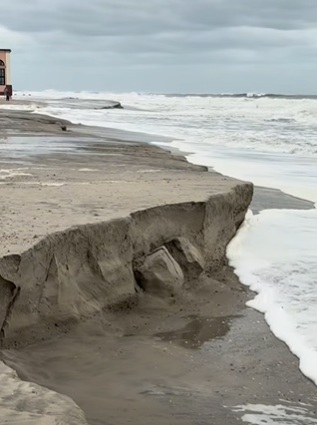
The storm carved deeply into the dunes, leaving steep sand escarpments and exposing previously buried structures. Atlantic City Beach Patrol officials reported that roughly half of the dunes remained in the affected area after the storm.
This is more than a cosmetic change to the beach. Dunes function as part of the coastal defense system. Removing large quantities of sand reduces the physical buffer between ocean waves and developed areas.
Brigantine
Brigantine also suffered extensive beach and dune erosion. City officials estimated that hundreds of feet of beach were washed away, while approximately 30 feet of dunes were lost in one particularly vulnerable area. Officials said the damage could amount to tens of millions of dollars.
The storm also damaged the city’s promenade. A newly installed beach-access ramp was torn from its foundation and carried approximately 30 blocks down the beach before being recovered. Sections of promenade railing were also damaged.
Mayor Vince Sera described the storm as producing exceptionally powerful ocean conditions, while city officials emphasized that the promenade and seawall helped protect homes and infrastructure from even greater damage.
Repeated Tidal Flooding
The storm’s slow movement and persistent onshore winds produced flooding over multiple high-tide cycles.
In Sea Bright, New Jersey, for example, successive tides repeatedly flooded neighborhoods rather than producing a single isolated flooding event. More than four inches of rain also fell in portions of New Jersey, adding freshwater runoff to the coastal flooding problem.
The combination of heavy rainfall + elevated ocean water + high tides + strong onshore winds created a compound flooding event.
How Is the Climate Energy Hitting You?
The $13 Billion Northeastern U.S. Nor’easter
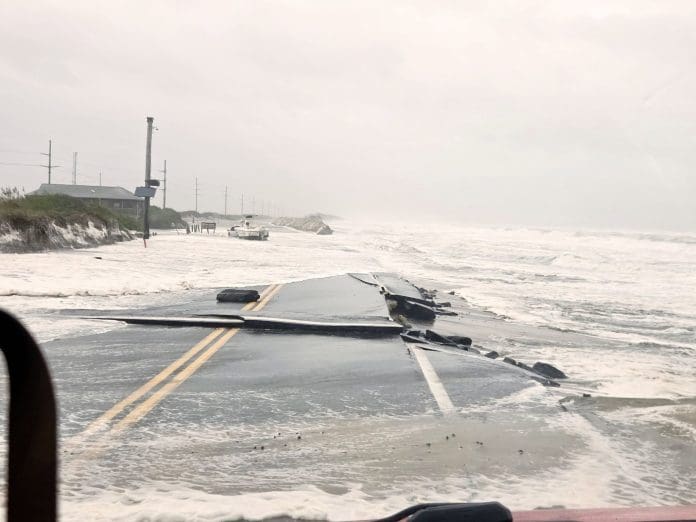
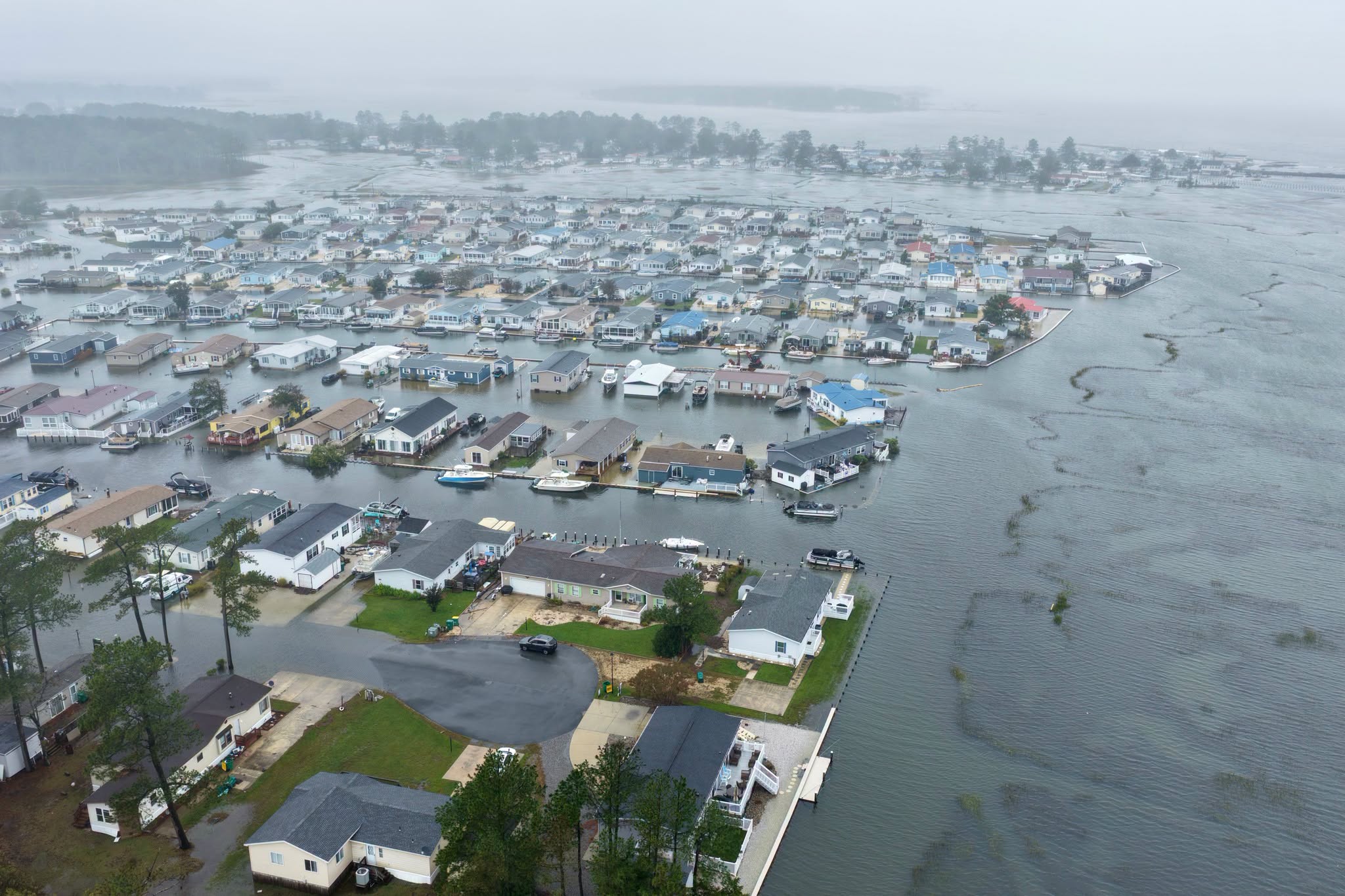
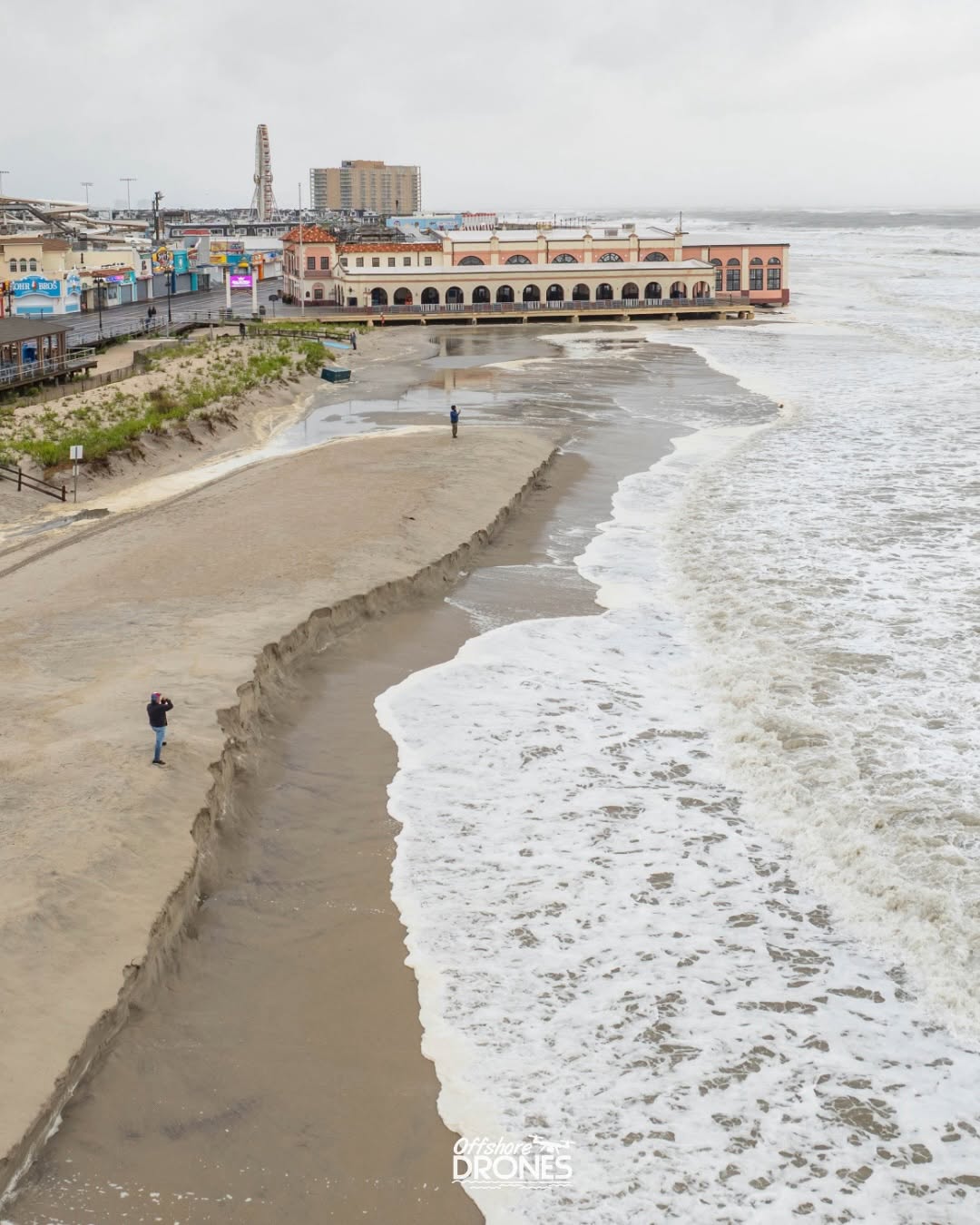
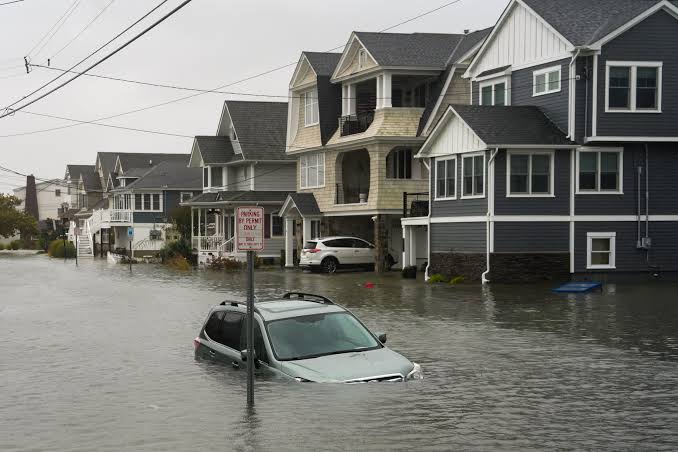
Atmospheric and oceanic energy → extreme weather → physical impacts → infrastructure damage → economic losses
bookmark_borderIndigenous Peoples of Pennsylvania and the Mid‑Atlantic
History, Nations, Trade Networks, and Cultural Contributions
Long before European colonization, the lands now called Pennsylvania, New Jersey, Delaware, and surrounding regions were home to diverse Indigenous nations with complex political systems, trade networks, agricultural knowledge, and spiritual traditions. This index provides an overview of key nations, historic routes, and cultural contributions connected to the Delaware, Susquehanna, Schuylkill, and Allegheny river systems.
Lenni Lenape (Lenape / Delaware)
The Lenape—whose name means “The People”—lived throughout the Delaware River Valley and coastal Mid‑Atlantic. Later referred to as “Delaware” by the English, the Lenape were central to regional diplomacy, trade, and early treaty relationships with William Penn. Their history includes forced displacement westward, yet Lenape descendant communities remain active today in Oklahoma, Wisconsin, and Ontario.
Susquehannock (Conestoga)
The Susquehannock were an Iroquoian-speaking nation centered along the Susquehanna River. Known in various colonial records as Conestoga, Minqua, or Mengwe, they were influential participants in 17th‑century trade and diplomacy. Disease, warfare, and colonial expansion severely reduced their numbers. In 1763, the remaining Conestoga community in Lancaster County was massacred by the Paxton Boys—an event that remains a stark example of frontier violence.
Algonquian‑Speaking Peoples
Algonquian refers to a large language family that includes many nations across the Atlantic Coast and Great Lakes regions, such as the Wampanoag, Massachusett, Nipmuc, Pennacook, Penobscot, Passamaquoddy, Quinnipiac, and others. In the Mid‑Atlantic, the Lenape were part of this linguistic family. Algonquian-speaking peoples developed advanced agricultural systems, including the “Three Sisters” (corn, beans, squash), that shaped global food systems.
Black Minquas
The Black Minquas were associated with the Susquehannock and lived in western and central Pennsylvania, including the village of Chinklacamoose (present-day Clearfield). They were connected to major trade and travel routes such as the Great Shamokin Path and played a role in regional commerce between interior nations and European settlements.
The Great Minquas Path
A major 17th‑century Indigenous trade route linking the Susquehanna River to the Schuylkill and Delaware Rivers. Later adapted by Dutch, Swedish, and English colonists, the route influenced settlement patterns and economic development in southeastern Pennsylvania. Many modern roads follow its original alignment.
Native American Cairns: Votive & Promise Piles
Native American stacked rock signals, often called cairns, were used in some Indigenous traditions as markers with practical, cultural, and sometimes spiritual meanings. In certain contexts, they functioned as a “stone language,” helping convey information about direction, safety, or significance within the landscape.
Philadelphia and Indigenous Peoples (18th Century)
Explores the transformation of Indigenous trade routes into colonial roads, the growth of Philadelphia, treaty relationships, frontier tensions, and the displacement of Native communities during the 1700s.
Indigenous Contributions to the Modern Diet
Highlights the agricultural innovations and foods developed by Indigenous peoples of the Americas—corn, beans, squash, potatoes, tomatoes, cranberries, maple syrup, and more—which now form the foundation of global cuisine.
Continuing Presence
Indigenous history in Pennsylvania is not confined to the past. Descendant communities maintain cultural traditions, language revitalization efforts, and sovereign governance. Understanding regional history requires recognizing both historic injustices and enduring Indigenous presence.