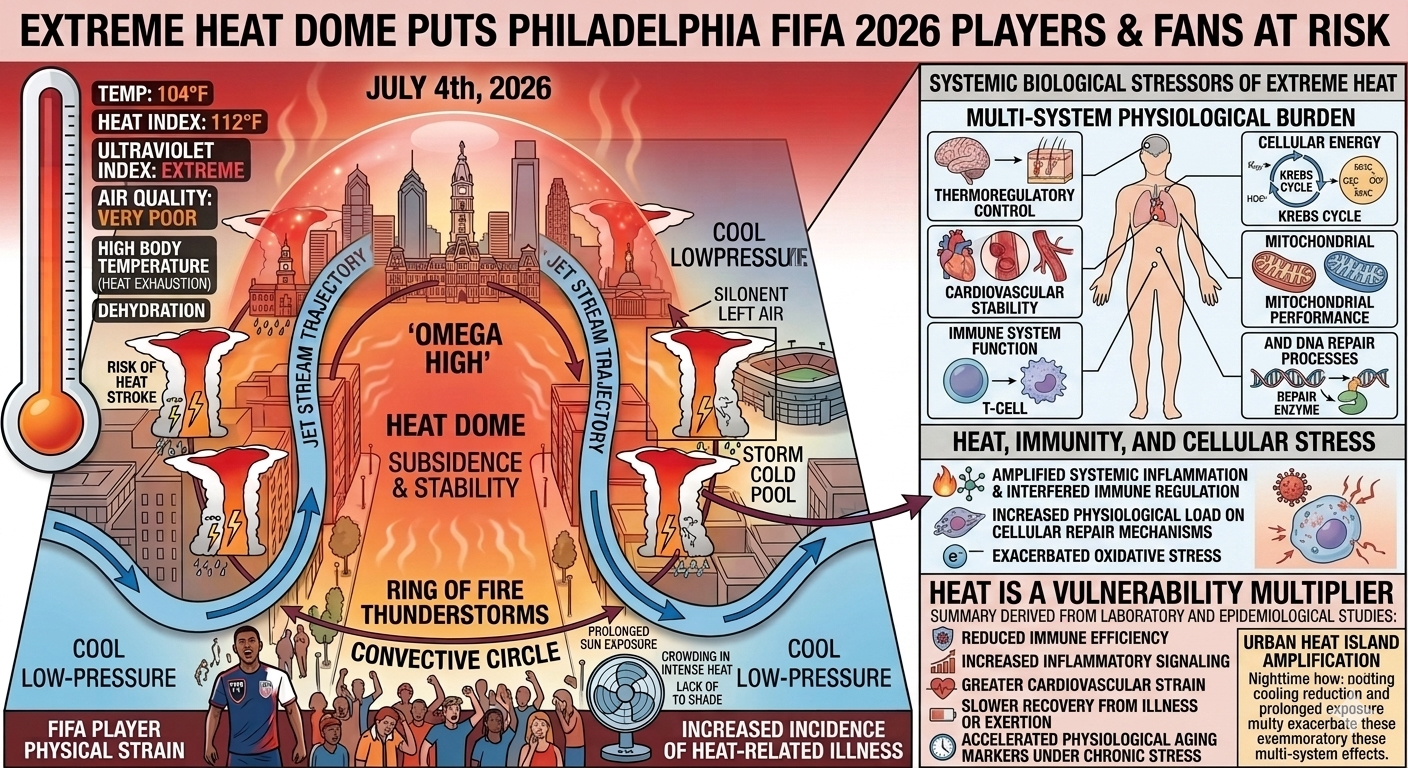
bookmark_borderJuly Fourth in Philadelphia: Extreme Heat Puts FIFA Players and Fans at Risk

Philadelphia is forecast to experience a critical heat emergency on July 4, with heat index values expected to reach 91–95°F under dangerously humid conditions. Even modest physical exertion outdoors can increase the risk of heat exhaustion, heat stroke, and, in severe cases, death.

Extreme heat is more than uncomfortable—it is one of the deadliest weather hazards. Beyond its immediate health risks, exposure to extreme heat accelerates biological aging by increasing cellular stress, damaging tissues, and contributing to telomere shortening.

What Is FIFA Doing?

Rather than postponing the Round of 16 match, FIFA plans to proceed while implementing heat mitigation measures for players and spectators.

Player Safety Measures

Mandatory Hydration Breaks: FIFA requires official cooling and hydration breaks during matches when heat conditions warrant them to reduce the risk of heat-related illness.

Sideline Cooling: Philadelphia Stadium (Lincoln Financial Field) has installed cooling benches along the sidelines, allowing substituted players and those receiving treatment to lower their body temperature more quickly.

Fan Safety Measures

Outside Water Restrictions: Despite the dangerous heat, FIFA has updated its stadium code of conduct to prohibit spectators from bringing outside or reusable plastic water bottles into the stadium for refilling. Fans must instead obtain drinking water through stadium concessions and designated distribution points.

Weather Monitoring: Organizers are coordinating with the National Weather Service because the combination of extreme heat and the potential for severe Fourth of July thunderstorms could require temporary suspensions of play or crowd sheltering if lightning is detected within FIFA’s safety perimeter.

Cooling Centers: The City of Philadelphia is operating additional medical stations and cooling areas throughout the stadium complex and at the FIFA Fan Festival at Lemon Hill to assist visitors experiencing heat stress.

Heat Is a Serious Public Health Hazard

Hydration, shade, and cooling breaks help reduce risk, but they cannot eliminate it. Anyone attending outdoor events should avoid unnecessary exertion, drink fluids before becoming thirsty, seek shade whenever possible, and recognize the warning signs of heat exhaustion and heat stroke.

Climate change is making extreme heat events more frequent, longer-lasting, and more humid. As temperatures continue to rise, organizers of major outdoor sporting events will increasingly face difficult decisions about balancing competition with public safety.

Regardless of the precautions taken, exposing athletes, officials, and tens of thousands of spectators to unnecessary risk during a critical heat emergency is difficult to justify. Hydration breaks and cooling stations can reduce risk, but they cannot eliminate it. When dangerous heat reaches levels known to threaten human health, the responsible course of action is to postpone play until conditions are safe. No sporting event is worth risking heat-related illness, permanent injury, or loss of life.

bookmark_borderBankruptcies of Local Traditions

For 2025, U.S. bankruptcy filings have surged, marking one of the steepest upward trends in more than a decade. The spike reflects the combined weight of rising interest rates, historic consumer debt levels, and mounting economic uncertainty. Both consumer and corporate bankruptcies are climbing sharply compared to previous years, signaling deep structural stress within the economy.

Local Fallout: Iron Hill Brewery Collapses

A telling example is Iron Hill Brewery, a well-known restaurant chain once boasting 16 locations across the Mid-Atlantic and South. In late September 2025, the company filed for bankruptcy after shuttering all operations abruptly. Initially, Iron Hill had announced the closure of only a few underperforming locations. However, just weeks later, it closed all remaining sites without warning.

Court filings revealed a stark financial picture: only $125,000 in liquid assets against more than $20 million in delinquent debt. The company filed for Chapter 7 bankruptcy, which calls for liquidation rather than reorganization. In contrast, Chapter 11 bankruptcy allows companies to restructure operations and debt, typically reserved for businesses that can still be salvaged. Iron Hill’s Chapter 7 filing underscores the severity of its financial collapse—and highlights the widening gap between temporary distress and total insolvency in today’s economy.

National Trend: Rite Aid’s Final Fall

On a national scale, Rite Aid provides another sobering case study. Once one of the country’s leading pharmacy chains, the company has been trapped in a cycle of financial collapse. After emerging from Chapter 11 bankruptcy in September 2024, Rite Aid filed again just eight months later, in May 2025—this time with no path to survival.

At its height, Rite Aid operated more than 1,200 stores across 15 states, from California to Vermont. Founded in 1962 as Thrift D Discount Center in Scranton, Pennsylvania, it became the nation’s third-largest standalone pharmacy chain. But by mid-2025, the company’s mounting debt, declining sales, and loss of investor confidence forced it to shutter all remaining locations. The closures not only marked the end of an American retail mainstay but also disrupted prescription access for millions of customers nationwide.

The Bigger Picture: Fiscal Policy and the Trump Effect

Economists warn that this wave of bankruptcies is not a coincidence but rather a predictable consequence of Trump’s fiscal and monetary interference. His administration’s uncoordinated tax policies, protectionist tariffs, and attacks on Federal Reserve independence have undermined both investor confidence and credit stability. By destabilizing long-term interest rate expectations and driving inflationary volatility, Trump’s policies have made borrowing more expensive for both consumers and corporations—while failing to stimulate sustainable growth.

The result is a toxic feedback loop:

  • Higher interest rates increase default risks.
  • Rising defaults weaken credit markets.
  • Weak credit markets lead to higher borrowing costs, further strangling small and mid-sized businesses.

Under these conditions, liquidation bankruptcies (Chapter 7) are becoming more common than reorganizations (Chapter 11). This shift indicates not just economic weakness but systemic erosion in the nation’s capacity to recover from financial distress.

Looking Ahead

If current trends persist, analysts project a 25–35% increase in total business bankruptcies by mid-2026, with liquidation filings growing at twice that rate. The combination of tariff-induced inflation, trade isolation, and fiscal mismanagement is eroding business confidence and pushing fragile sectors—like retail, hospitality, and manufacturing—toward collapse.

The United States now faces a stark warning: Trump’s version of economic nationalism has mutated into economic self-destruction. What began as rhetoric about “protecting American jobs” is instead destroying the financial foundation of American enterprise.

Trumpenomics: The Decline of the US

bookmark_borderClimate Change, Doubling Time, and the Eroding Value of Jersey Shore Real Estate

by Daniel Brouse

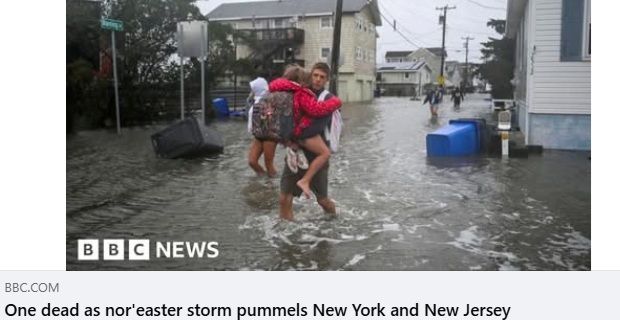
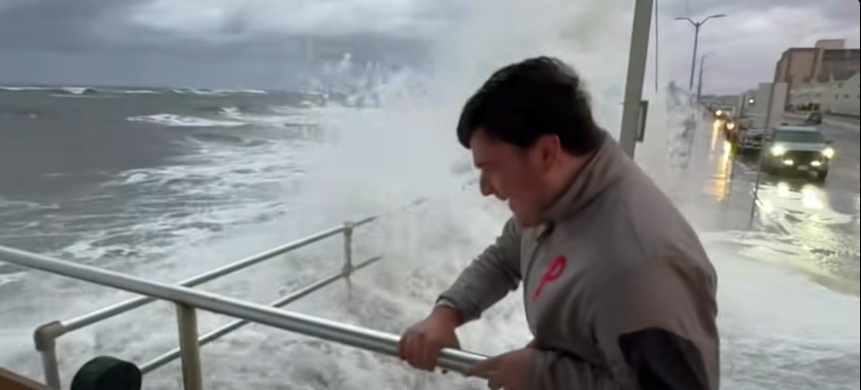
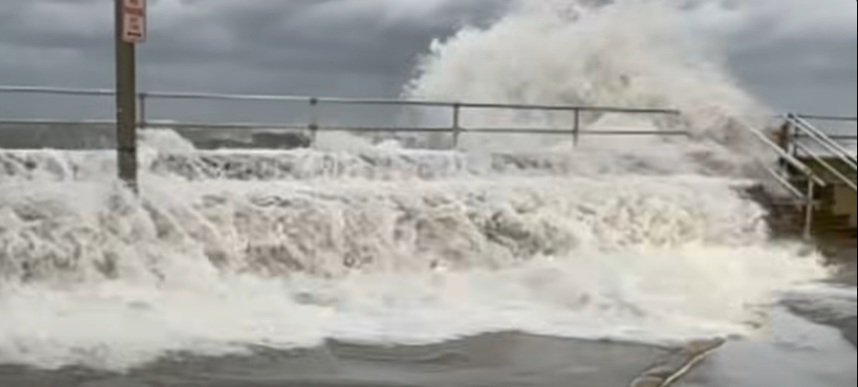
Climate change is rapidly accelerating the frequency, severity, and financial impacts of extreme weather events, while sea-level rise is outpacing previous projections. Originally estimated at 100 years, the climate doubling period—the time it takes for climate impacts to double in intensity—contracted to 10 years, then to 2 years by 2024. This means damage from climate change today is already twice what it was just two years ago. If this trajectory continues, damages could be four times worse in two years, eight times worse in four years, and up to 64 times worse within a decade, driven by tipping points, feedback loops, and cascading ecosystem failures that further shorten the doubling period.

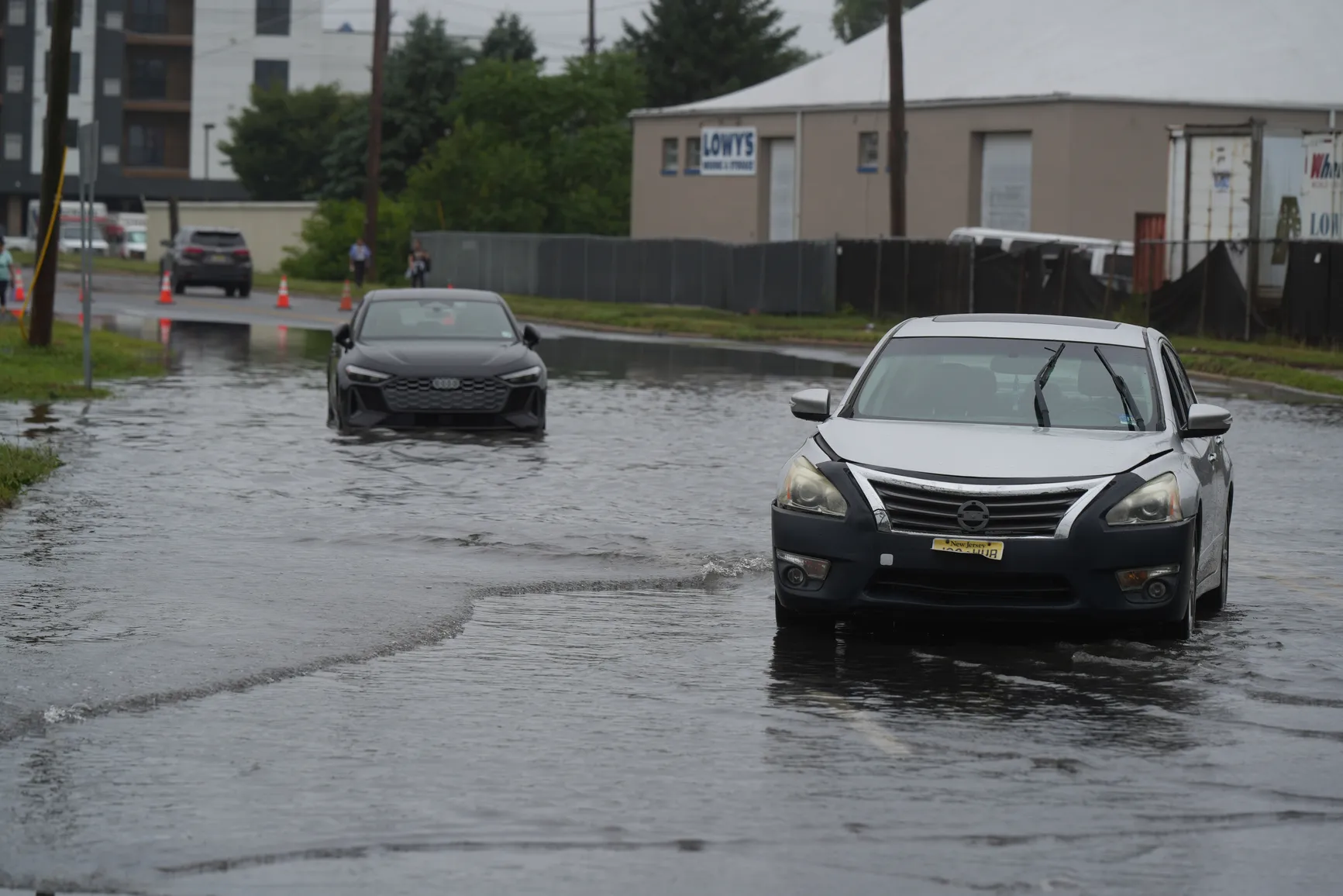
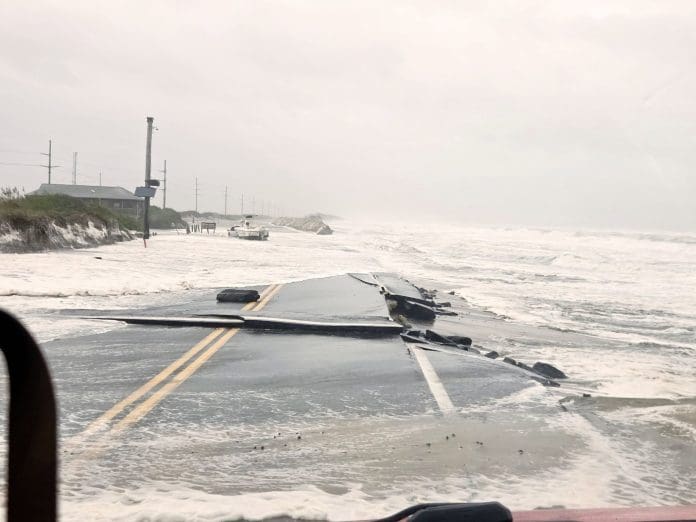
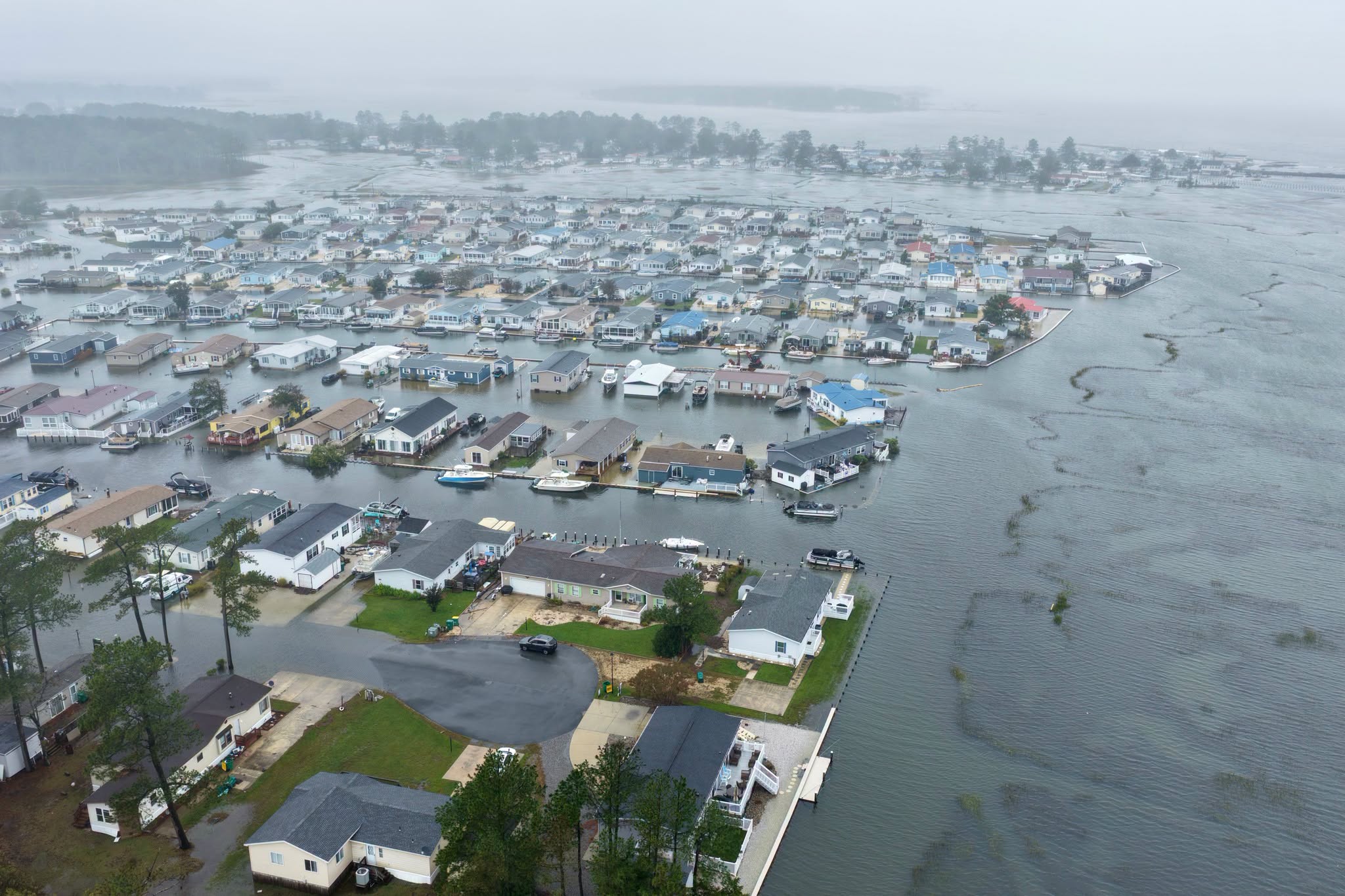
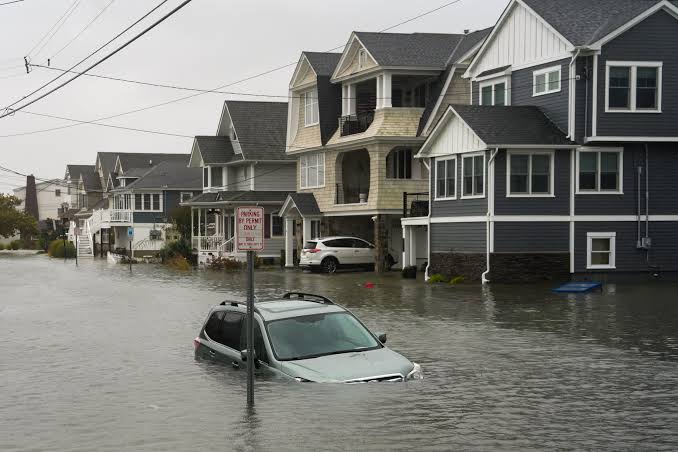
The Jersey Shore is a ground-zero case study of the rapidly oscillating and unsustainable costs of owning coastal real estate in the climate crisis era. Increasing insurance costs, surging property taxes, infrastructure collapse, and saltwater intrusion are eroding property values across New Jersey’s coastal communities.

Saltwater intrusion is contaminating freshwater drinking supplies and flooding sewer and water treatment systems, causing environmental and health hazards while requiring expensive upgrades that drive up local costs. After Hurricane Sandy, FEMA and federal flood insurance programs shifted to a managed retreat approach, permanently relocating many properties along the coast. Now, many homeowners are finding insurance premiums skyrocketing or coverage becoming unavailable entirely, leaving them financially exposed to inevitable future storms.

Meanwhile, property taxes are rising steeply as municipalities struggle to fund repairs and upgrades to stormwater management systems, roads, bridges, and sewage treatment facilities damaged repeatedly by floods and storm surges. Communities are left with a shrinking tax base as properties lose value and climate risks drive buyers away, creating a downward spiral of declining revenue and increasing costs.

Beach Replenishment: A Failing Band-Aid
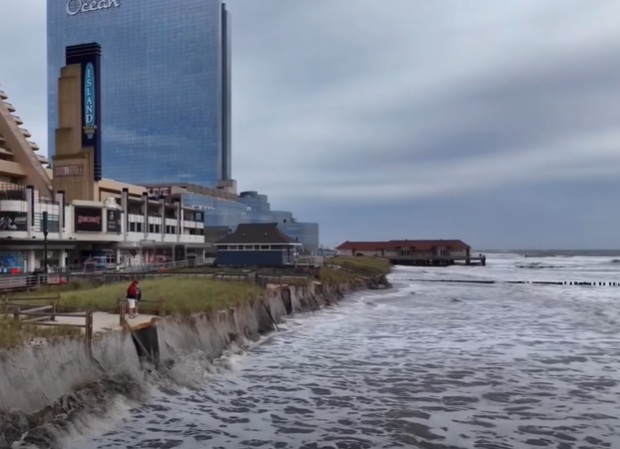
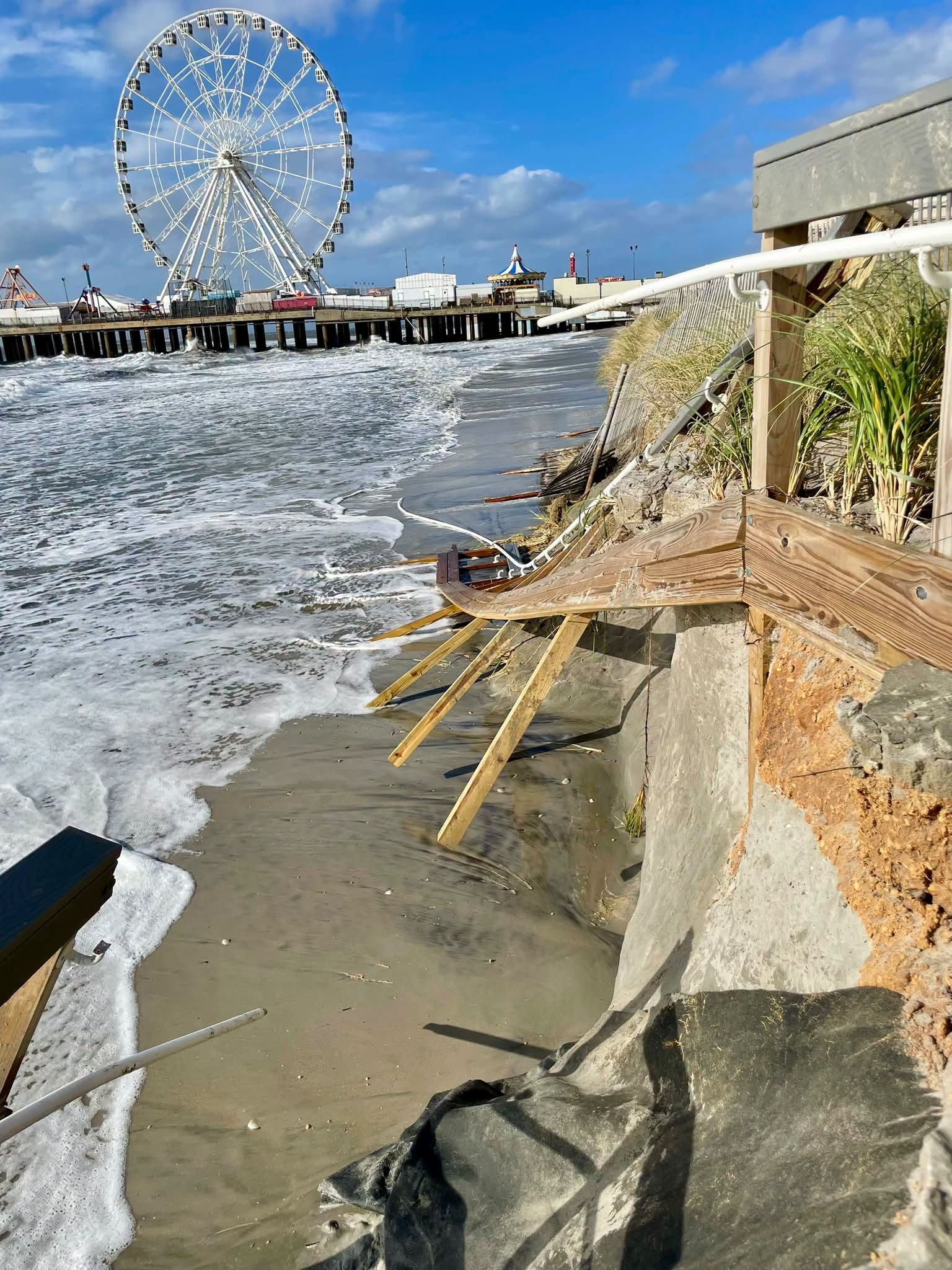
For the first time since 1996, Congress has allocated zero dollars for federal beach replenishment, halting nearly three decades of continuous funding that supported sand dredging projects to protect beaches, infrastructure, and property values along the U.S. coast. Typically, Congress sets aside $100 million to $200 million annually for these efforts, but this year, no funds were approved, and the future of replenishment remains uncertain as climate-driven disasters drain federal resources.

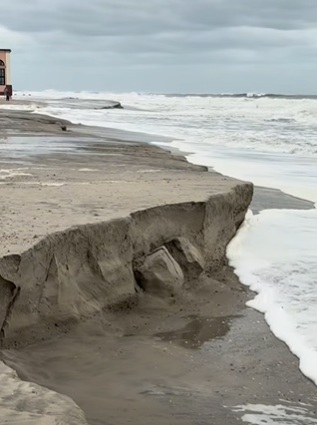
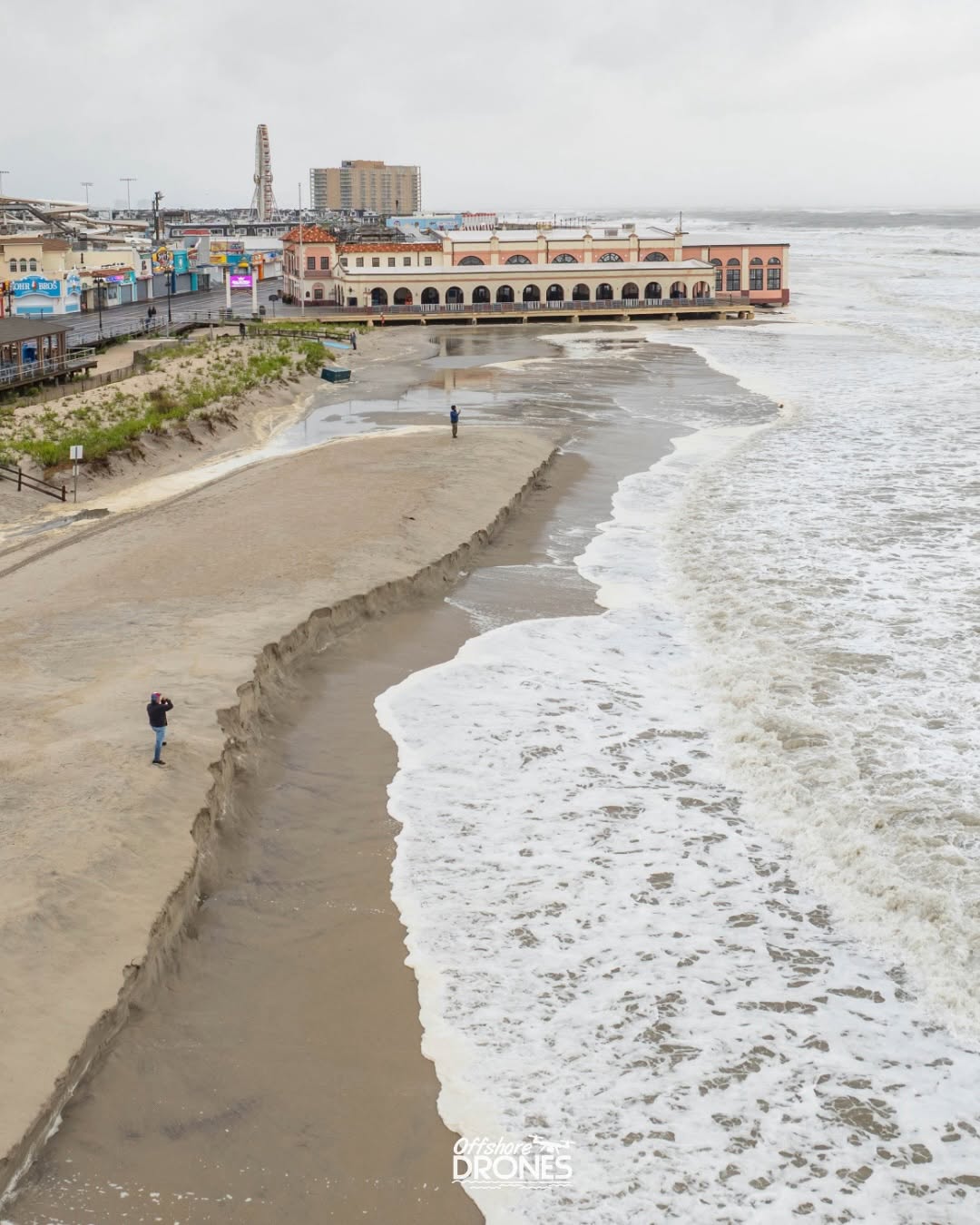
Even when funded, beach replenishment has become an unsustainable, short-term fix. The increasing frequency and severity of storms wash away replenished sand faster, requiring more frequent and costly projects to maintain even minimal beach widths. Rising seas accelerate erosion and storm surge damage, making replenishment efforts shorter-lived and less effective each year. The cycle of “sand dumping and washout” is financially and environmentally untenable, signaling the need for alternative adaptation measures such as strategic retreat, dune restoration, and wetland buffers to protect coastal communities in a warming world.

A Market in Decline
The intersection of climate extremes and the Jersey Shore housing market is eroding financial stability across the region. Rising mortgage delinquencies are becoming more common as insurance, taxes, and repair costs increase. Properties are losing value as buyers factor in the high risk of flooding, storm damage, and future uninsurability. Homeowners unable to sell or insure properties are trapped with declining assets, while communities face escalating costs to maintain failing infrastructure.

Without systemic climate action to reduce emissions, implement resilient infrastructure, and support managed retreat where necessary, the financial collapse of coastal property markets will continue to accelerate, impacting local economies and amplifying inequality as wealthier owners relocate while lower-income residents are left behind in increasingly unlivable conditions.

The Jersey Shore, once a symbol of leisure and prosperity, is now a warning sign of the climate-fueled housing crisis unfolding across the United States. The costs of ignoring these realities are compounding rapidly, demanding immediate attention to mitigate financial and environmental collapse in the face of a worsening climate emergency.

The Human Induced Climate Change Experiment