The greatest systemic and exponential risk to the Philadelphia area and its real estate market is climate change. This is already evident in the insurance market. As climate-related damage accelerates, homeowners insurance will become increasingly difficult to afford or obtain. Florida offers a glimpse of the future, having effectively moved toward government-subsidized insurance as private coverage retreats. For in-depth information, along with additional links and resources, see: Climate Change and Insurance: Costs, Availability, and Sustainability.
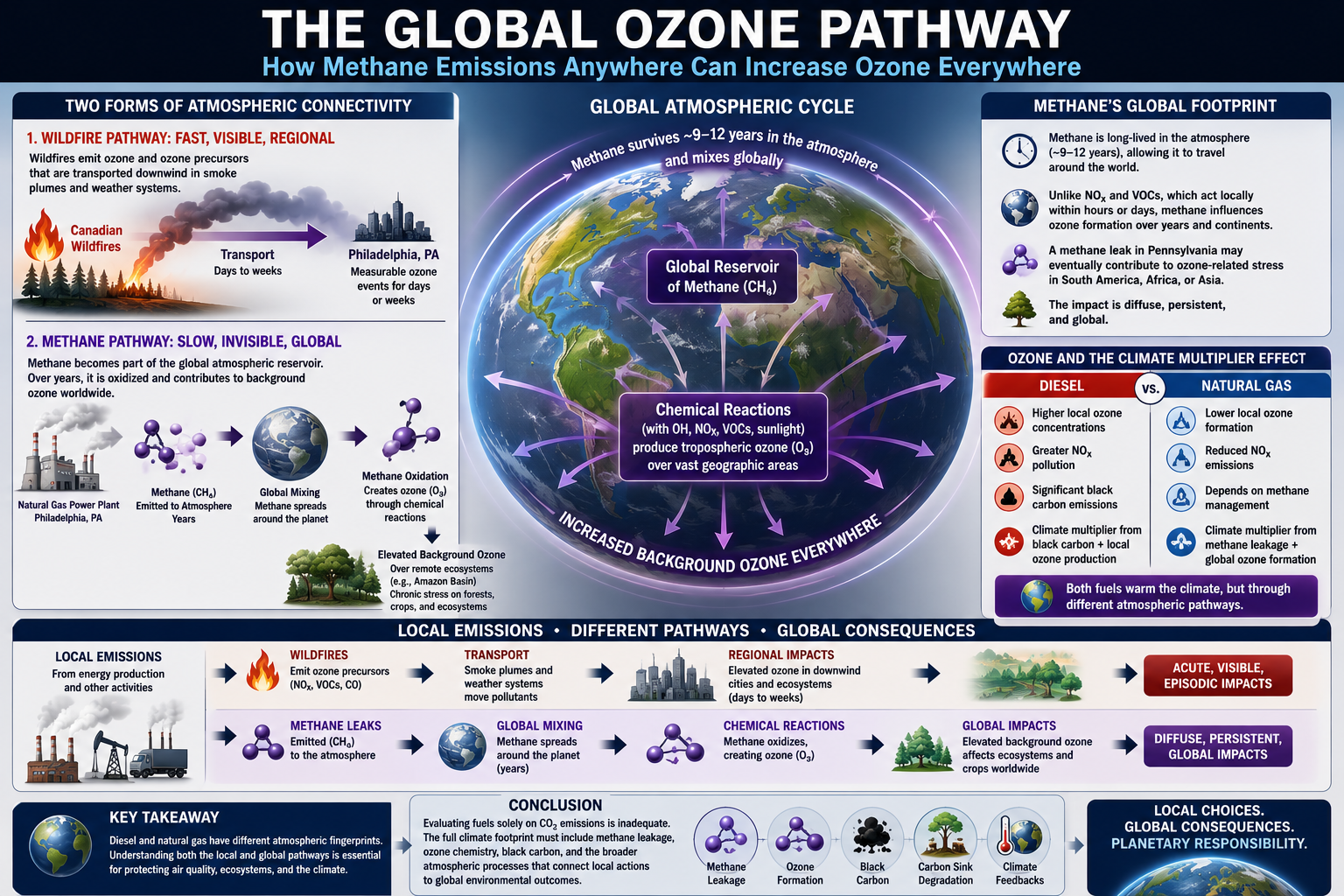
Philadelphia and the Ozone Feedback This paper examines how wildfires in Canada create dangerous ozone in Philadelphia and how emissions from Philadelphia power generation contribute to ozone formation affecting ecosystems in the Amazon.
Global warming has inflicted irreversible damage on our environment, a consensus echoed by nearly all scientists. Indeed, climate change poses a profound challenge. Our planet is witnessing conditions that increasingly jeopardize human habitation. The critical question now is whether we can adapt swiftly enough.
Human-induced climate change is a dynamic component of an intricate and unordered system, as per chaos theory. This implies that global warming is accelerating exponentially in a complex manner. Over the period from 1992 to the present, we have presented compelling evidence, proposed remedies to mitigate climate change, and amassed valuable information through the engagement of millions with this climate model. Your participation has been invaluable. The incontrovertible data underscores that human-induced climate change is rapidly deteriorating our habitat.
On July 2, 2026, first responders declared a Mass Casualty Incident (MCI) at the Reading Railroad Outer Station in Muhlenberg Township, Pennsylvania, after more than 100 people required medical evaluation for severe heat-related illnesses. The emergency unfolded as thousands of spectators gathered to watch the arrival of the historic Union Pacific “Big Boy” No. 4014 steam locomotive during its nationwide tour commemorating America’s 250th anniversary.
While the event itself drew enormous public interest, the extreme weather ultimately became the dominant story. What was intended as a celebration of engineering history instead became a stark illustration of how climate change is reshaping public safety and challenging emergency preparedness.
Incident Dynamics
Extreme Heat
Air temperatures reached approximately 100°F (38°C), while the heat index exceeded 110°F (43°C) due to elevated humidity. Under these conditions, the human body’s ability to cool itself through sweating becomes increasingly compromised, dramatically increasing the risk of heat exhaustion, heat stroke, cardiovascular strain, and other life-threatening medical emergencies.
Prolonged Exposure
Many spectators arrived around 9:00 AM to secure viewing locations for the train’s scheduled 1:05 PM arrival. When the locomotive was delayed by more than an hour, thousands of people remained outdoors for nearly six hours with limited access to shade or cooling. The prolonged exposure significantly increased cumulative heat stress, particularly among vulnerable individuals.
Medical Emergency
As temperatures climbed through the afternoon, medical crews were quickly overwhelmed.
Infants, young children, older adults, and individuals with underlying medical conditions were among the first to require treatment. Many attendees developed heat exhaustion, while others progressed to heat stroke—a medical emergency that can rapidly lead to organ failure, permanent neurological damage, or death if not treated immediately.
One individual suffered cardiac arrest and was successfully resuscitated at the scene. By the end of the incident, approximately 35 people had been transported to area hospitals, while more than 100 individuals required medical evaluation or treatment.
Emergency Response
The declaration of a Mass Casualty Incident (MCI) allowed emergency agencies to rapidly coordinate resources across southeastern Pennsylvania.
Fire departments, EMS agencies, and support personnel from Berks, Lancaster, Chester, and Schuylkill counties responded under a unified command structure.
Nearby Muhlenberg Park was converted into an emergency treatment area, where responders established:
Medical triage tents
Cooling buses
Misting and water stations
Patient stabilization areas
Ambulance staging zones
The coordinated response almost certainly prevented additional fatalities.
Climate Change and Escalating Heat Risk
Although extreme heat has always occurred, climate change is making these events significantly more frequent, more intense, and more persistent.
Average temperatures have increased substantially over the past century, but one of the most important changes is the rise in extreme heat events. Heat waves are occurring more often, lasting longer, and increasingly producing dangerous nighttime temperatures that prevent the human body from recovering between periods of daytime heat exposure.
Higher atmospheric temperatures also allow the air to hold more moisture, increasing humidity in many regions. Elevated humidity reduces the effectiveness of sweating—the body’s primary cooling mechanism—causing the heat index to climb well above the measured air temperature. As a result, conditions that were once merely uncomfortable can quickly become life-threatening.
Scientists have also documented that nighttime minimum temperatures are increasing faster than daytime maximum temperatures in many locations. This loss of overnight cooling compounds physiological stress and contributes to higher rates of illness and mortality during prolonged heat waves.
A New Challenge for Public Events
Traditionally, emergency planners focused primarily on crowd control, traffic management, severe storms, or security concerns. Increasingly, however, extreme heat itself is becoming one of the greatest operational risks.
Large outdoor gatherings—including concerts, sporting events, festivals, parades, fairs, and public celebrations—must now incorporate heat risk into every stage of planning. Organizers should consider:
Canceling the event
Extensive shaded areas
Readily available drinking water
Cooling and misting stations
Medical screening and rapid-response teams
Flexible scheduling to avoid peak afternoon heat
Clear public messaging about heat illness symptoms
Emergency contingency plans for extreme heat events
As climate change continues to intensify, these measures will become essential components of public safety rather than optional amenities.
Beyond Immediate Heat Illness
The impacts of extreme heat extend well beyond heat exhaustion and heat stroke.
Exposure to high temperatures has been associated with increased risks of cardiovascular disease, kidney injury, respiratory illness, sleep disruption, cognitive impairment, pregnancy complications, and worsening mental health. Emerging research also suggests that chronic heat exposure may accelerate biological aging, alter immune function, and contribute to cellular stress through epigenetic mechanisms.
When extreme heat coincides with elevated ozone levels or wildfire smoke, the combined physiological burden becomes even greater, particularly for children, older adults, outdoor workers, and individuals with chronic medical conditions.
Conclusion
The Muhlenberg Township Mass Casualty Incident demonstrates how climate change is transforming extreme heat from an occasional weather hazard into a recurring public safety challenge.
What began as a community celebration quickly evolved into a large-scale medical emergency because thousands of people were exposed to prolonged, dangerous heat under conditions that exceeded the body’s ability to dissipate excess thermal energy.
As the climate continues to warm, emergency planners, public officials, and event organizers will increasingly need to treat extreme heat with the same seriousness traditionally reserved for hurricanes, floods, tornadoes, and severe thunderstorms. The events in Berks County serve as a reminder that in a warming world, heat itself is becoming one of the deadliest hazards—and one of the most predictable.
Future public gatherings will require adaptation not only to protect comfort, but to protect lives.
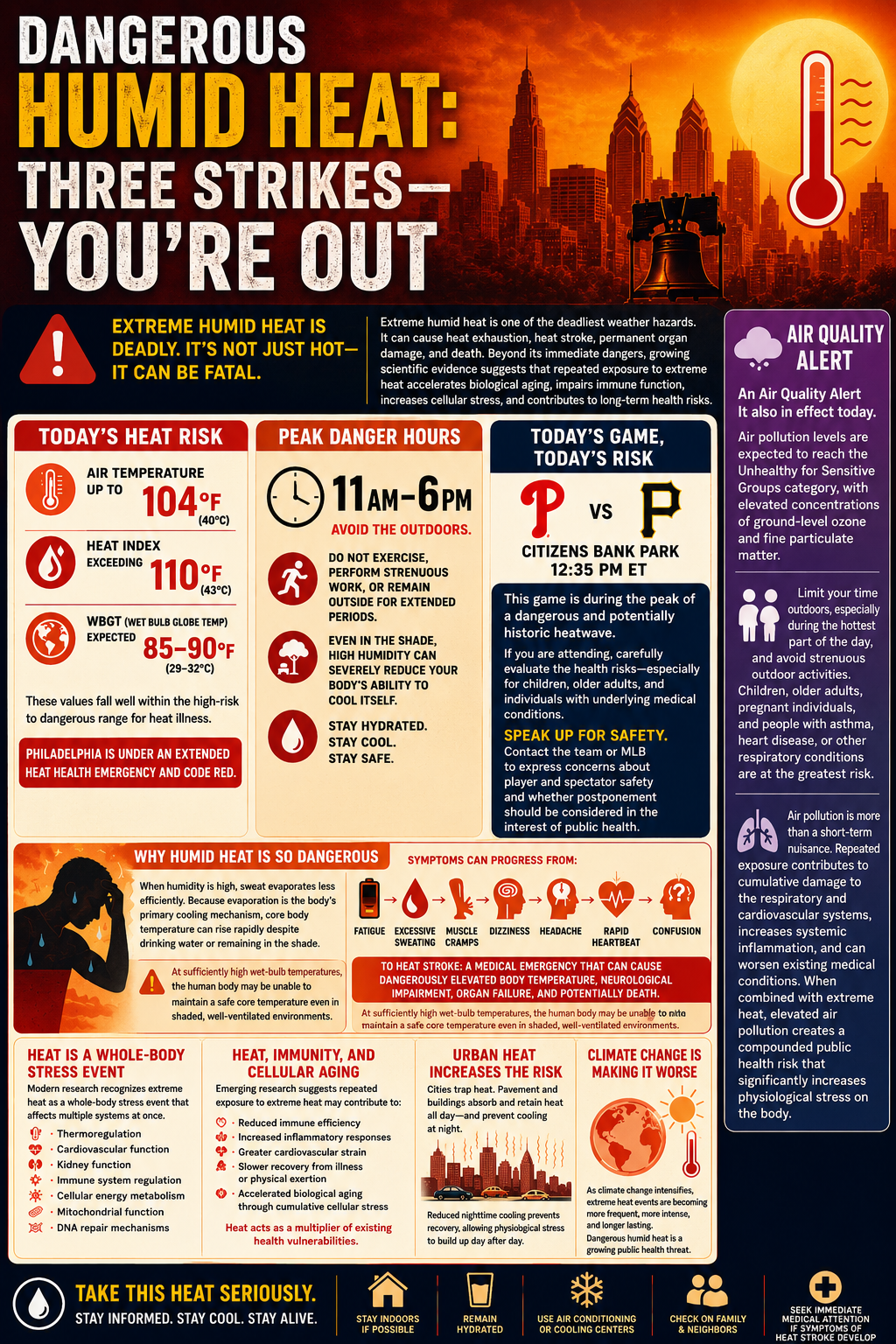
Extreme humid heat is one of the deadliest weather hazards. It can cause heat exhaustion, heat stroke, permanent organ damage, and death. Beyond its immediate dangers, growing scientific evidence suggests that repeated exposure to extreme heat accelerates biological aging, impairs immune function, increases cellular stress, and contributes to long-term health risks. An Air Quality Alert is also in effect today, compounding the danger as elevated levels of ozone and fine particulate pollution increase respiratory and cardiovascular stress, particularly for sensitive individuals. Together, extreme heat and poor air quality create a significantly greater public health risk than either hazard alone.
Today’s Heat Risk
Today’s forecast for the Philadelphia region calls for air temperatures approaching 104°F (40°C) with heat index values exceeding 110°F (43°C). During the hottest part of the day, the Wet Bulb Globe Temperature (WBGT)—which accounts for air temperature, humidity, solar radiation, and wind—is expected to reach approximately 85°F to 90°F (29°C to 32°C).
These values fall well within the high-risk to dangerous range for heat illness. Philadelphia is under an extended Heat Health Emergency and Code Red.
Avoid spending time outdoors between 11:00 a.m. and 6:00 p.m. Do not exercise, perform strenuous work, or remain outside for extended periods. Even in the shade, high humidity can severely reduce your body’s ability to cool itself through sweating.
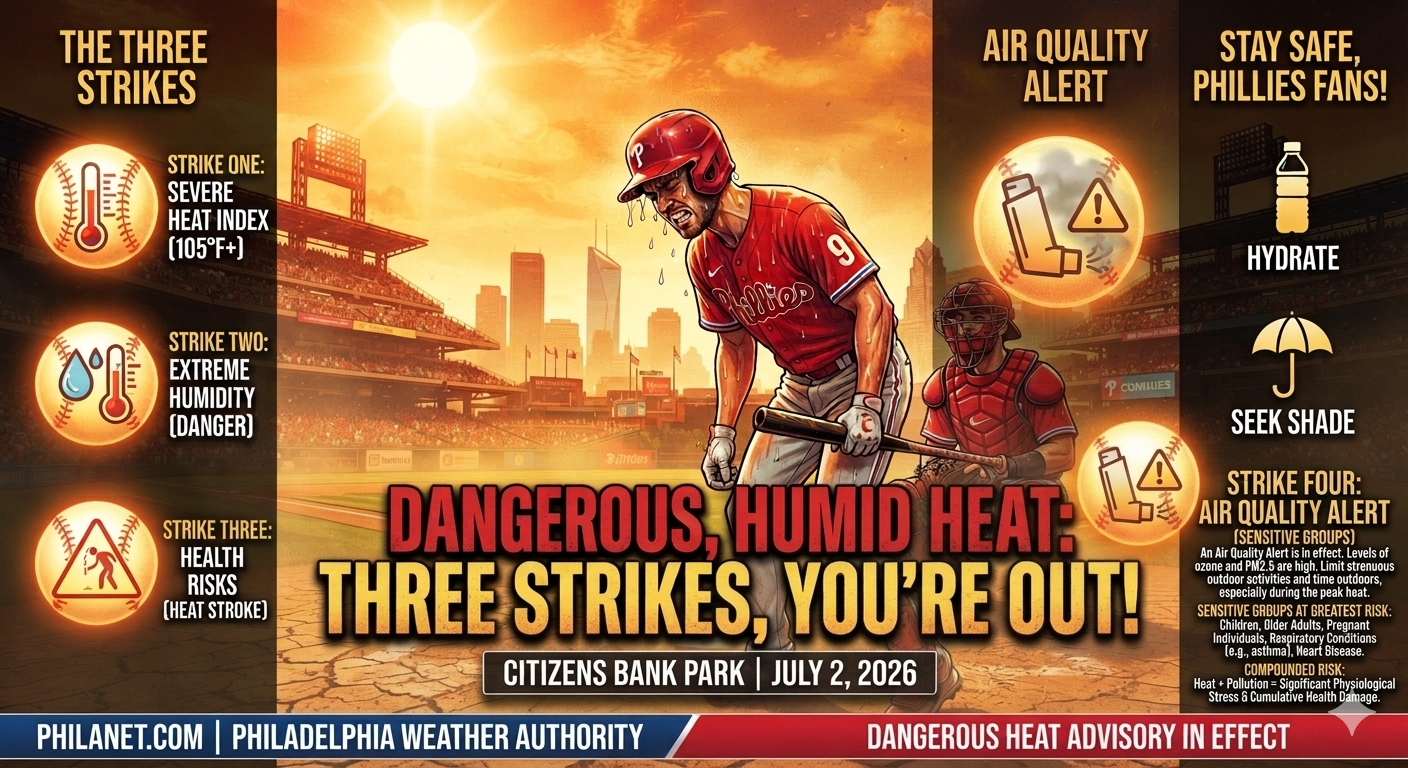
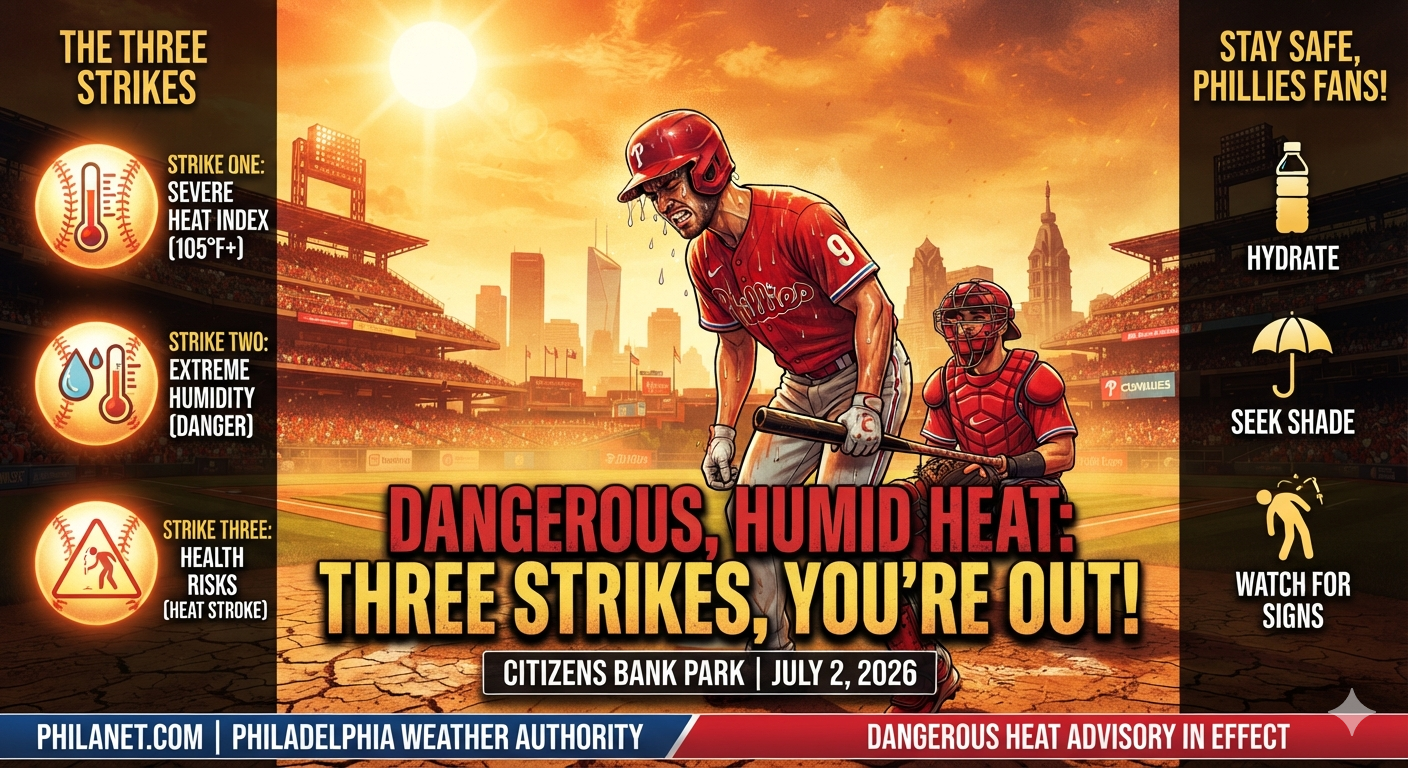
Today’s game against the Pittsburgh Pirates at Citizens Bank Park is scheduled to begin at 12:35 PM ET, during the peak of a dangerous and potentially historic heatwave. With extreme temperatures and hazardous humid heat expected throughout the afternoon, the game will be played under challenging conditions despite enhanced safety measures implemented by local officials and the team.
If you are considering attending, carefully evaluate the health risks associated with exposure to extreme heat, particularly for children, older adults, and individuals with underlying medical conditions. If you believe conditions pose an unacceptable risk to players, staff, and fans, consider contacting the team or Major League Baseball to express your concerns about player and spectator safety and whether postponement should be considered in the interest of public health.
Why Humid Heat Is So Dangerous
When humidity is high, sweat evaporates less efficiently. Because evaporation is the body’s primary cooling mechanism, core body temperature can rise rapidly despite drinking water or remaining in the shade.
As heat stress increases, symptoms may progress from:
Fatigue
Excessive sweating
Muscle cramps
Dizziness
Headache
Rapid heartbeat
Confusion
to heat stroke, a medical emergency characterized by dangerously elevated body temperature, neurological impairment, organ failure, and potentially death.
At sufficiently high wet-bulb temperatures, the human body may be unable to maintain a safe core temperature even in shaded, well-ventilated environments.
Heat Is a Whole-Body Stress Event
Modern biomedical research increasingly recognizes extreme heat as more than dehydration or discomfort. Heat places simultaneous stress on multiple physiological systems, including:
Thermoregulation
Cardiovascular function
Kidney function
Immune system regulation
Cellular energy metabolism
Mitochondrial function
DNA repair mechanisms
Rather than affecting only one organ system, extreme heat produces a whole-body physiological stress response that can significantly increase the risk of illness and mortality.
Heat, Immunity, and Cellular Aging
Emerging research indicates that exposure to extreme heat increases oxidative stress and systemic inflammation while placing additional demands on the body’s cellular repair systems.
Studies suggest heat exposure may contribute to:
Reduced immune efficiency
Increased inflammatory responses
Greater cardiovascular strain
Slower recovery from illness or physical exertion
Accelerated biological aging through cumulative cellular stress
Research is also investigating how prolonged heat stress may influence epigenetic regulation and other biological pathways that affect long-term health. Although this field continues to develop, there is growing evidence that extreme heat acts as a multiplier of existing health vulnerabilities, particularly among older adults, children, outdoor workers, and individuals with chronic medical conditions.
Urban Heat Increases the Risk
Cities are especially vulnerable because pavement, buildings, and other infrastructure absorb and retain heat throughout the day. Reduced nighttime cooling prevents the body from fully recovering, allowing physiological stress to accumulate over consecutive days.
As climate change increases the frequency, intensity, and duration of extreme heat events, dangerous humid heat is becoming an increasingly significant public health threat.
Take this heat seriously. Stay indoors if possible, remain hydrated, use air conditioning or cooling centers, check on family members and neighbors, and seek immediate medical attention if symptoms of heat stroke develop.
Air Quality Alert
An Air Quality Alert is also in effect today. Air pollution levels are expected to reach the Unhealthy for Sensitive Groups category, with elevated concentrations of ground-level ozone and fine particulate matter.
Limit your time outdoors, especially during the hottest part of the day, and avoid strenuous outdoor activities. Children, older adults, pregnant individuals, and people with asthma, heart disease, or other respiratory conditions are at the greatest risk.
Air pollution is more than a short-term nuisance. Repeated exposure contributes to cumulative damage to the respiratory and cardiovascular systems, increases systemic inflammation, and can worsen existing medical conditions. When combined with extreme heat, elevated air pollution creates a compounded public health risk that significantly increases physiological stress on the body.